
Improving payment approval rates — lessons for operators
External coverage explores the tension between fraud controls and transaction acceptance in gaming. Below is an adaptation in the language of a payments product owner.
Home · Insights
Four pieces from our operational viewpoint. Content is prepared for operators and is not legal advice. To go deeper on any topic, contact us.
External coverage explores the tension between fraud controls and transaction acceptance in gaming. Below is an adaptation in the language of a payments product owner.
In licensed iGaming, deposit approval is not a “nice-to-have” dashboard metric — it is revenue. When analysts note regulators pushing for higher acceptance alongside harm-reduction pressure, risk models tuned too aggressively cut loyal players, while models that are too loose drive chargebacks and financial crime losses. Our experience shows the answer is rarely binary: segment decisions by payment method, country, device profile, and player history.
The second layer is transparency from PSPs. Operators should request approval splits by MCC, BIN, and region instead of one blended number that hides country-specific failure modes. Only then can you tune 3DS rules, velocity limits, and retry policies sensibly. Separate bank declines from antifraud declines — remediation differs.
First, set a baseline for each business-critical method. Second, pilot new rules on a traffic slice with rollback. Third, wire alarms: a few points of approval drop in one country often signals an acquirer incident, not “creative fatigue”. Finally, look at payout journeys — hidden declines there hurt NPS and inflate support costs.
Risk vs acceptance is continuous. Read industry pieces through a finance lens: revenue lost to declines vs incident handling cost. ScalaWorld helps align risk and product without promising “guaranteed lifts” not grounded in data — we can expand this in a workshop with your routing data.
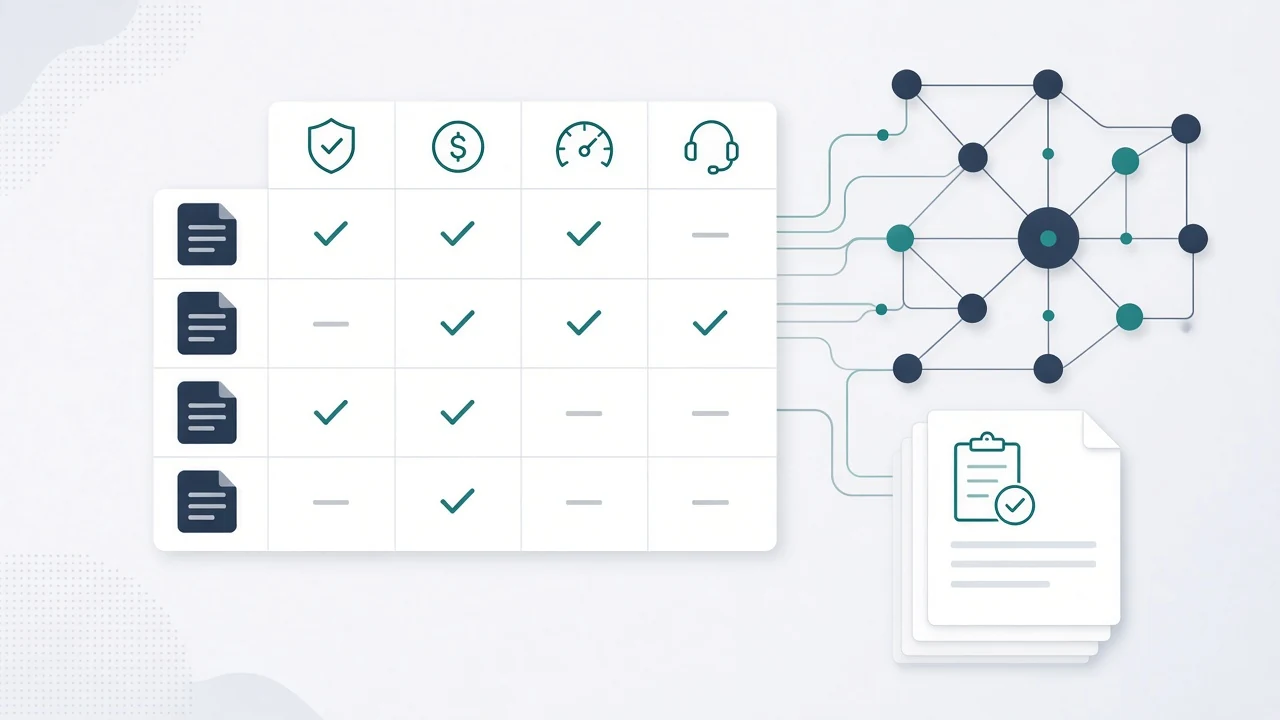
Public checklists show the “largest global PSP” may not fit your licence footprint and method portfolio.
PSP selection is not only API integration. You must verify the merchant agreement covers every licensed jurisdiction and that MIDs match your product line (sports, casino, lottery). Public guides highlight settlement times, rolling reserves, and payout transparency — they drive liquidity while the player only sees “pending”.
Often neglected: parallel production tests on a low traffic percentage. Even a well-vetted PSP can route poorly in one country or miss chargeback alert coverage — plan concurrent routing and compare full cost including support and refunds.
Ask for gaming-specific references, incident SLAs, compensation for settlement delays, and acquirer escalation paths. On data protection: server locations, controller/processor roles, and subprocessors. If you defer these, they surface during a regulatory audit or bank review — build a starter RFP question set and tailor it to your compliance needs; we can help shape it for your licence.
The right PSP matches your licence, AML chain, and method mix — not the prettiest sales deck. ScalaWorld helps build a scorecard; the decision stays with operator management.

Market commentary describes moving from “grey volume scale” toward quality and compliance in regulated markets.
Freshly regulated markets often see cheap programmatic shrink, search and compliant content rise, affiliates face registration duties, and short-term CPA may rise while cohort quality and revenue stability improve — if you stop optimising registrations alone.
For ScalaWorld, marketing must sync with onboarding: if a campaign promises “play in 30 seconds” but source-of-funds steps take an hour, you pay twice — for the click and the support ticket.
Campaign checklists signed by compliance, a central library of permitted claims, clear kill switches for non-compliant partners, and informational SEO for high-intent queries often lower regulatory risk. We see the same logical framing across regions, even when specific channels differ.
Do not judge marketing only on lead cost — add cohort quality, regulatory exposure, and early churn. ScalaWorld often bridges marketing and payments because the first deposit shows whether the campaign promise matches infrastructure.

Industry reviews show local methods and mobile-first UX are conversion requirements, not aesthetics.
Where card penetration is lower, players expect methods from everyday commerce: mobile wallets, instant bank rails, vouchers, and local real-time networks. Industry trend lists also cite AI for offer personalisation — from a payments perspective, personalisation is useless if the player cannot pay with a top local method. Optimise method order and geo-aware logic first.
Digital assets remain controversial; even if your regulator limits stablecoins, understand how partners view AML risk in the value chain to avoid DD stalls with sponsor banks.
Growth across countries needs orchestration: failover routing, monitoring, and accounting-aligned reporting. If every country is a silo, you lose on FX spreads, inconsistent SLAs, and fragmented data. Fraud prevention tied to behavioural analytics also shifts quickly in emerging markets.
Track the share of traffic where the top local method is available and its approval rate — iterate from there. We can map broader trends to your PSP data and geography.